
May 28, 2026
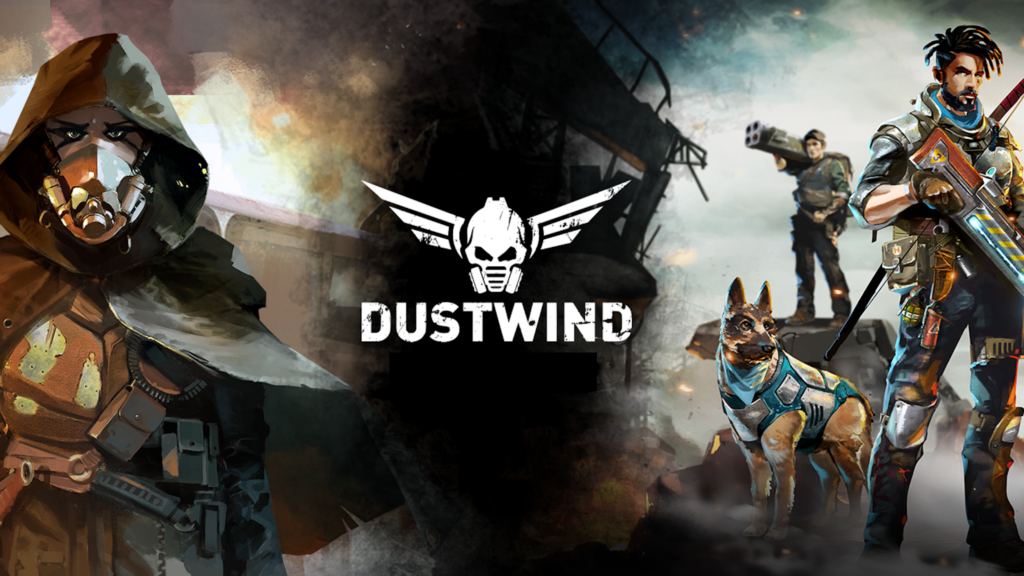
May Weekend Sale
We’re celebrating the upcoming last May weekend with a sale in our own shop here on the website. You can save up to 80% on selected titles.Promotion period: 28 May 2026 00:00 (CEST) to 1 June 2026 23:59 (CEST) Click here to visit the shop: https://z-software.net/site/games-shop/ And here are the offers in detail: Dustwind: Resistance […]
May 26, 2026
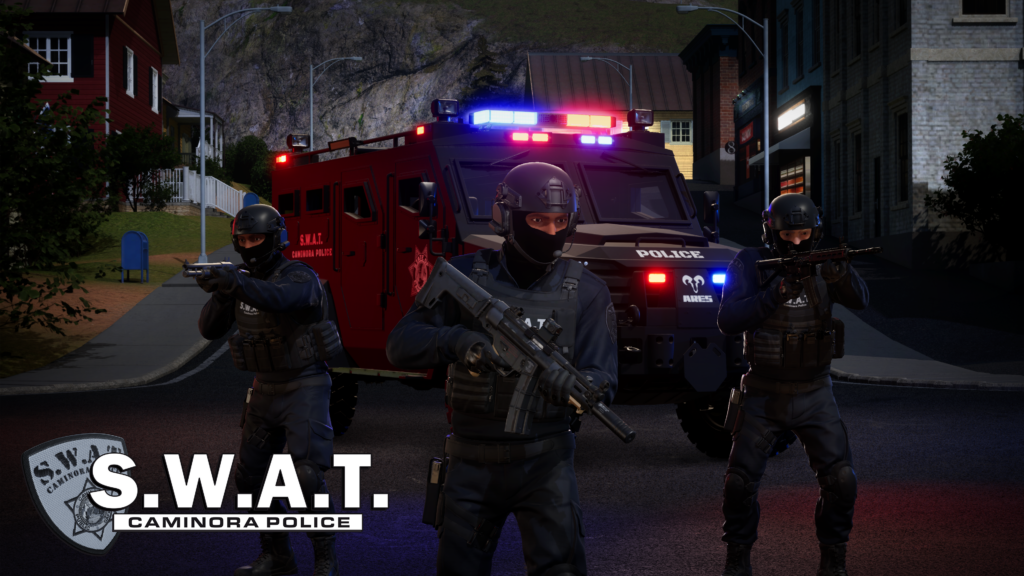
S.W.A.T. – Caminora Police DLC Available Now for Highway Police Simulator
Operations in Caminora expand today with all-new S.W.A.T. missions, tactical gameplay mechanics, elite gear, and the ARES armored response vehicle! The S.W.A.T. – Caminora Police DLC for Highway Police Simulator by Z-Software and Aerosoft is available now on Steam, PlayStation 5, and Xbox Series X|S. This new expansion lets players become an elite SWAT officer, […]

May 21, 2026
Autobahn Police Simulator 3 – Complete Edition: Out now in both physical and digital form!
The legendary Autobahn Police Simulator 3 experience is now available in one deluxe physical bundle! Patrol the streets by car, motorbike & off-road 4X4, catch speedsters in the act with your tactical traps and get help sniffing out criminals from your very own German Shepherd colleague! Aerosoft is excited to announce that Autobahn Police Simulator […]
April 28, 2026
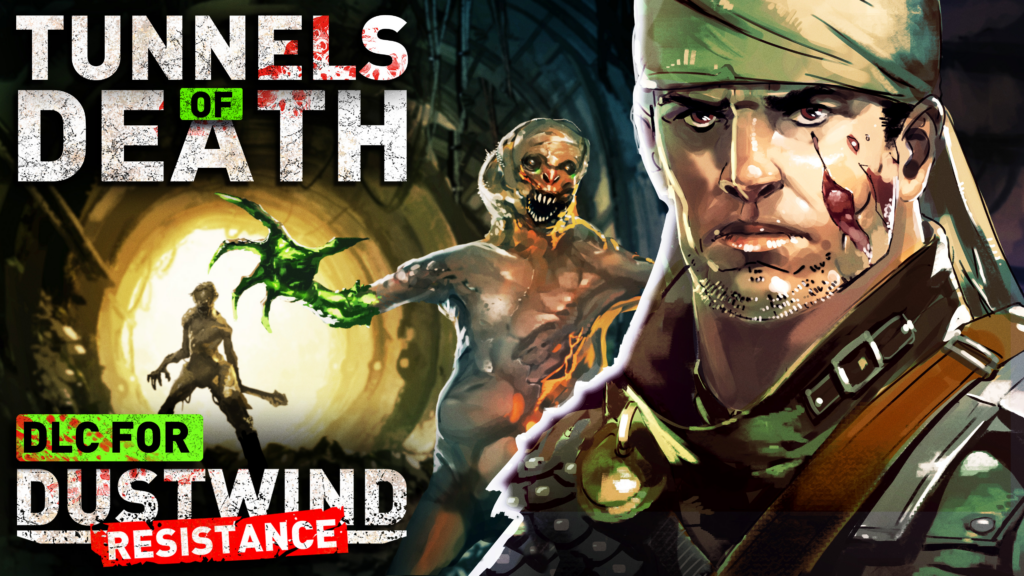
Tunnels of Death – DLC for Dustwind Resistance
Today we are announcing the release of Tunnels of Death, the second DLC campaign for Dustwind: Resistance. Dustwind: Resistance, which is just under a year old, will thus receive its second expansion in June 2026, following the Canyon Cross DLC. Tunnels of Death is set 20 years before the events of the main campaign and […]
April 23, 2026
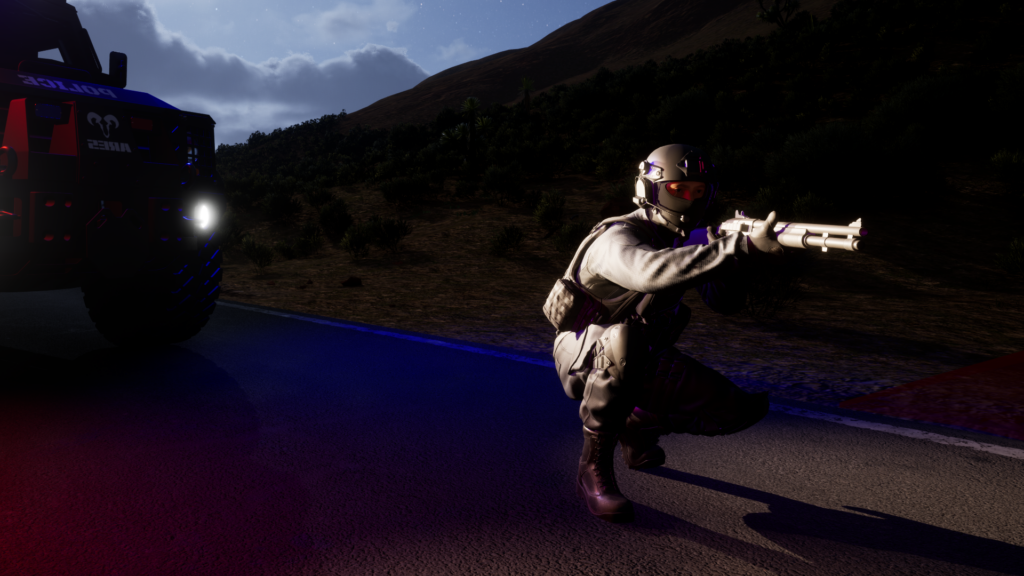
Highway Police Simulator with new DLC and massive update
Operations in Caminora City expand with all new S.W.AT. missions, new gameplay mechanics, tactical gear and armored transport! After multiple quality of life patches since launch, Highway Police Simulator is also receiving a massive update to the base game this Q2; with new missions, better NPC logic, Improvements to vehicle systems and more! Highway Police […]

March 19, 2026
Steam Spring Sale 2026
Steam has been running its sales events for several years now. Today marks the start of another one, and we’re participating with many of our games in the Spring Sale 2026. Here’s the current list of our games in Steam’s Spring Sale: Save 80% on Autobahn Police Simulator 1 Save 66% on Autobahn Police Simulator […]

March 5, 2026
Dustwind & Dustwind Resistance on Sale
After releasing the new Canyon Cross DLC for Dustwind: Resistance on both consoles a few days ago, the Dustwind Bundle is now available on sale on Xbox. The bundle includes both Dustwind and Dustwind: Resistance, and you can save up to 65% when you purchase it. And, of course, the Canyon Cross DLC can also […]
February 19, 2026
DWR: Steam Store Page Update
In the run-up to the release of the Canyon Cross DLC for Dustwind: Resistance this week, we have given all Steam store pages for Dustwind and Dustwind Resistance a comprehensive content update. All store pages now feature new images and new video material. In particular, the game descriptions have been revised and graphically enhanced. Take […]
February 2, 2026
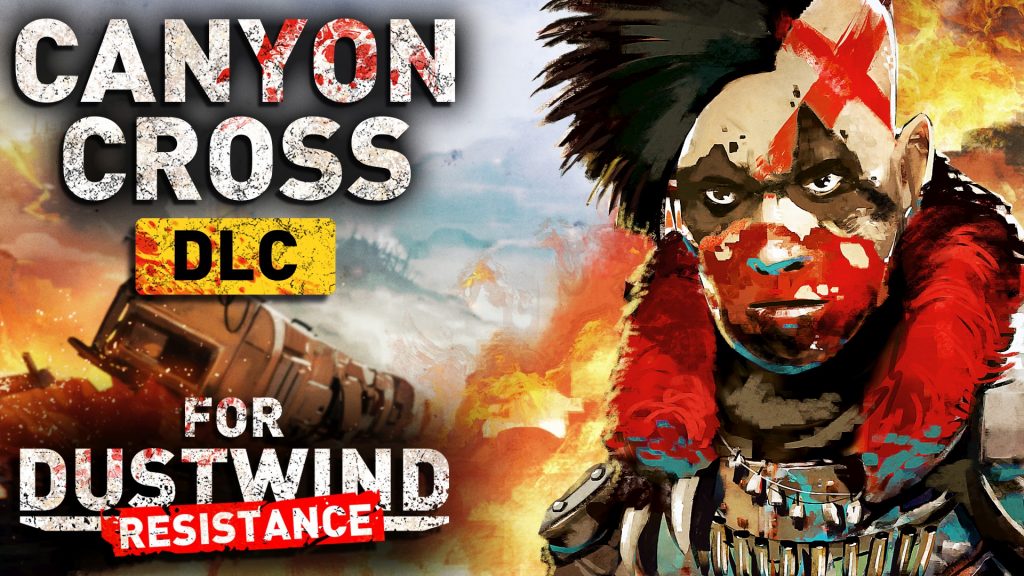
Canyon Cross Release on Console
Today we are announcing the release of the Canyon Cross DLC for Dustwind: Resistance on both consoles. Canyon Cross will be released on February 19, 2026, on PlayStation 5 and Xbox X/S. Following the successful Steam release at the end of 2025, the wait is now over on both consoles. Defeating the warlord in Dustwind: […]
November 28, 2025
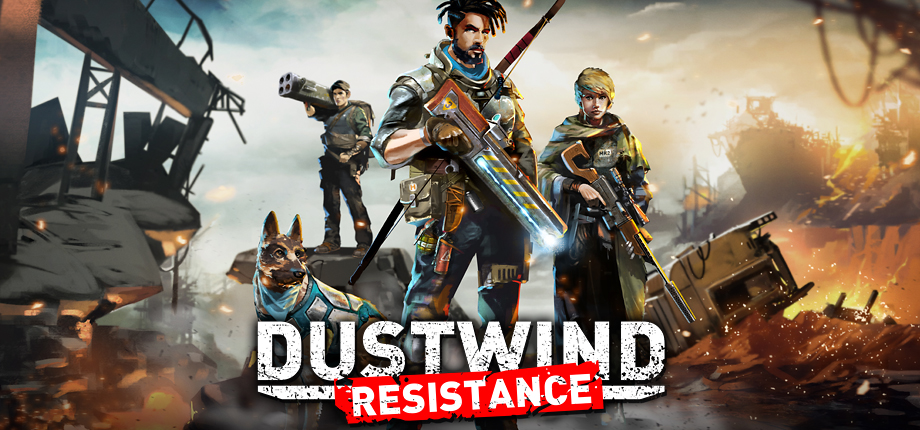
Subsequent delivery: Changelog for Dustwind: Resistance
On Tuesday this week, we successfully released the first DLC for Dustwind Resistance. We would like to thank you for your interest and extensive feedback on the DLC. Another update for the main game was released at the same time as the DLC. We are now providing the comprehensive changelog for this update. Please feel […]
November 27, 2025
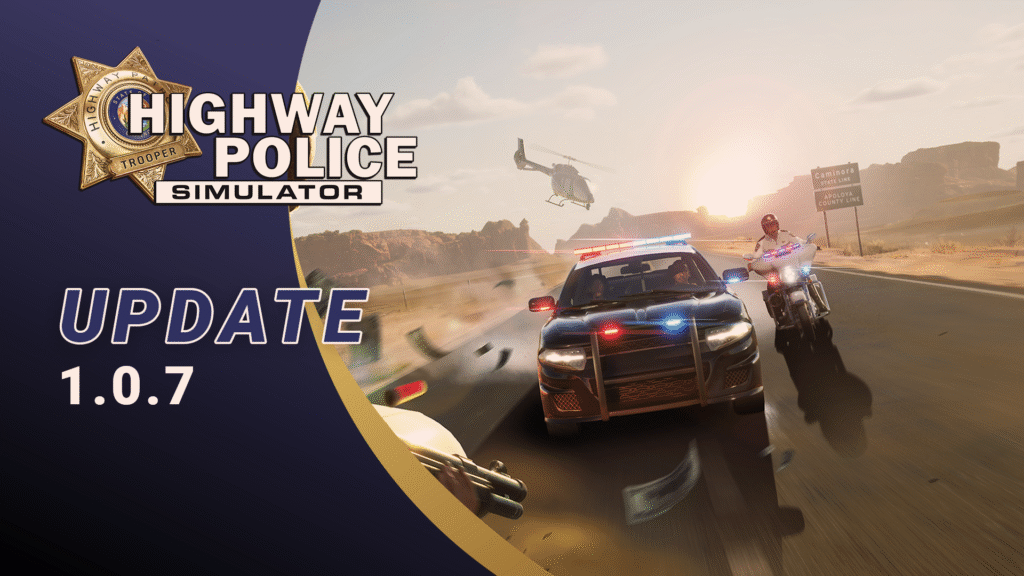
Update 1.0.7 for Highway Police Simulator
We are proud and excited to release update 1.0.7 for Highway Police Simulator today, featuring more than 80 improvements to the game. With today’s update, available on all platforms, we are addressing the most important issues in the game, including traffic jams on the highway, dialogues and subtitles, and the overall performance of the game, […]

November 25, 2025
Canyon Cross DLC for Dustwind Resistance OUT NOW!
Today, we are pleased to announce the release of Canyon Cross, the new DLC for Dustwind: Resistance, on Steam. In this DLC, Jake and his friends are once again under threat and must protect themselves and their neighbours in a post-apocalyptic world. Defeating the Warlord was not enough. A ruthless raider general now threatens your […]